Every Hornbeam garden begins with a spade and a jam jar. We dig test pits across the plot, shake soil with water in a jar and watch how it settles. Sand drops in seconds, silt in minutes, clay can take a day.
Read the soil you have
Clay is heavy and cold in spring, but rich and slow to dry in summer. Sand warms fast and drains freely, but holds little food. Chalk and limestone suit a whole palette of plants that would sulk in acid soil. None of these is a bad soil. Each is simply a starting point.
We plant for the soil we find rather than trying to change it. Changing soil is expensive, slow and rarely permanent.
Drainage decides the plant list
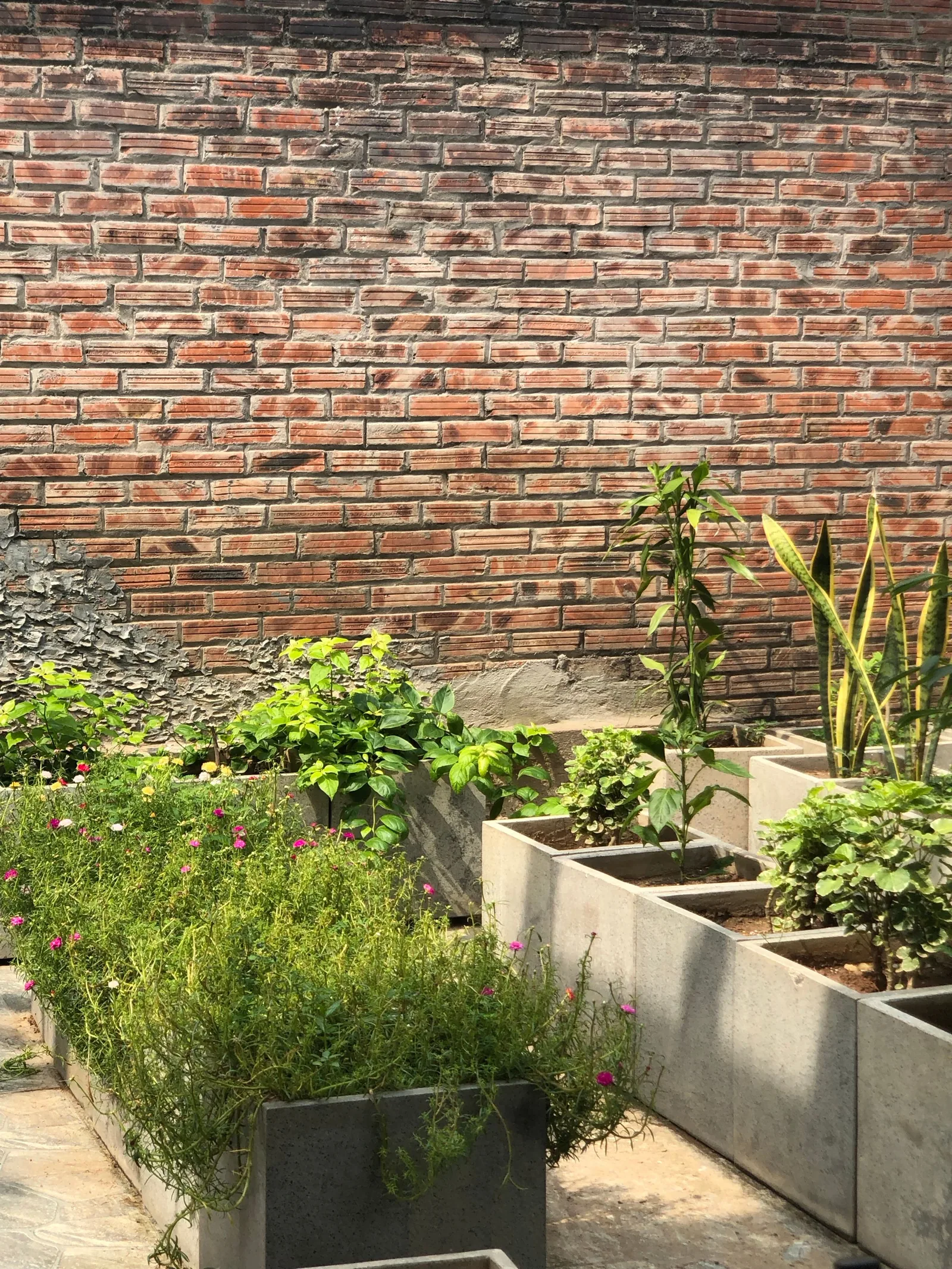
The single most common cause of failure in new gardens is water that cannot leave. A border on wet clay can drown a lavender in its first winter. If drainage is poor we raise beds, add grit and build the levels so water always has somewhere to go.
Feed the life, not the plant
Healthy soil is alive. A thick mulch of compost each spring feeds worms and fungi, which in turn feed the plants. It is the cheapest and most effective thing any garden owner can do.
A garden built on understood soil looks after itself. A garden built against its soil needs looking after forever.
Join Our Newsletter
A short letter each season: what to plant, what to prune and what we're working on. No clutter.